

What Happens to Your Roof After Days of Continuous Rain?
31 August 2026
When it rains for several days, your roof doesn't get a break. And sometimes, that's when the problems you don't normally notice start to show.
We see this every rainy season. In 2020, when Typhoon Ulysses caused severe flooding in Marikina, some families had to move to their rooftops as floodwaters rose into their homes. In other parts of the country, strong winds accompanying heavy rain have also damaged homes and blown away roofing sheets.
These are extreme situations, but they remind us of something simple: when the weather gets tough, your roof is one of the first parts of your home to take the hit.

It doesn't always start with a major problem.
Sometimes, it's just a small stain on the ceiling. Then you notice a tulo during a particularly heavy downpour. Maybe there's already some rust on the roof. Or the sound of rain suddenly seems much louder inside the house.
You might think, "Okay lang 'yan. Aayusin na lang kapag tumigil ang ulan."
And sometimes, a repair is all you need.
But when the rain keeps coming back, these small signs are worth paying attention to.
Continuous exposure to rain can reveal weaknesses in your roofing system that may not be obvious during dry weather.
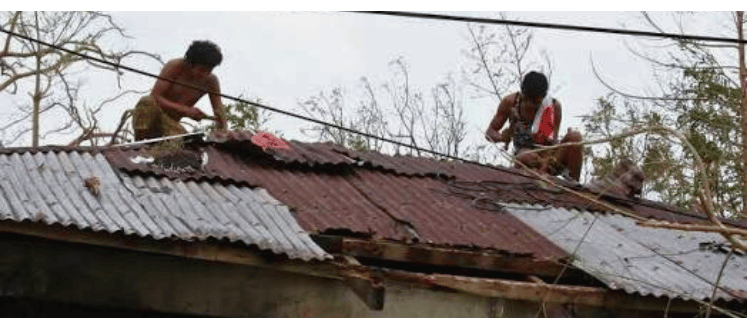
Your roof deals with more than just rain.
During the rainy season, your roof can be exposed to heavy rainfall, moisture and strong winds, sometimes repeatedly over several days.
For an older or damaged roof, this can mean more stress on roofing sheets, fasteners, joints and other parts of the system. Metal roofing can also be vulnerable to corrosion when continually exposed to moisture.
And when rain comes down hard, there is another thing you may notice: noise.
For some homes, heavy rain hitting the roof can make it difficult to sleep, work or simply enjoy a quiet moment indoors.
That's why choosing a roof is not only about asking, "Hindi ba ito tatagas?"
It is also about asking:
"Can this roofing solution handle the conditions my home will experience?"
A roof for the Philippine rainy season
You cannot control how much rain comes. But you can choose a roofing solution designed with the local climate in mind.
Onduline offers lightweight, waterproof and rust-proof roofing solutions designed for different roofing applications. Its material composition also helps reduce the sound of rainfall, helping make indoor spaces more comfortable during heavy downpours.
But the roofing material is only one part of the equation.
Proper installation matters too.
The right roof pitch, sheet overlaps, fasteners, supporting structure and accessories all work together to help your roof perform as intended. This is why choosing the right roofing system—and having it installed correctly—is just as important as choosing the material itself.
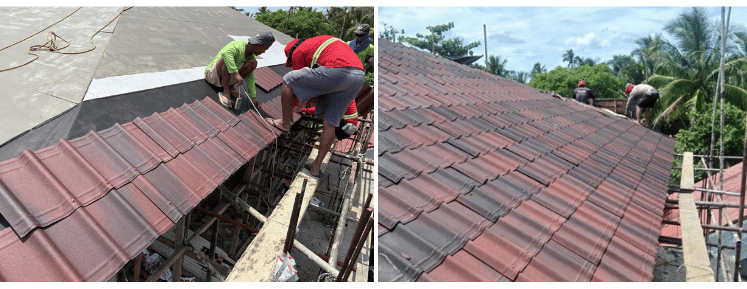
When the rain stops, take a look up.
The good thing about the rainy season is that it can show you what your roof needs.
Maybe it is just time for a simple repair. Maybe it needs better maintenance. Or maybe those recurring problems are telling you that it is time to consider a new roofing solution.
If you're considering a new roof, explore Onduline roofing solutions and find the right option for your home.
Get the roof done—and done well.