

How to Quickly Fix Your Roof During the Rainy Season: A Practical Guide for Homeowners
17 July 2026
Heavy rains can quickly turn a small roof problem into a major headache. Here's what you can do—and what you shouldn't.
The rainy season in the Philippines doesn't wait for the perfect time to expose roofing problems. A small leak that went unnoticed during summer can suddenly become a dripping ceiling, wet walls, or even damaged furniture after a single heavy downpour.
If you've noticed water stains, leaks, or loose roofing materials, acting quickly can help minimize damage while you arrange for a permanent repair. Here are practical steps every homeowner can follow to temporarily fix a leaking roof during the rainy season—and how to avoid the same problem in the future.
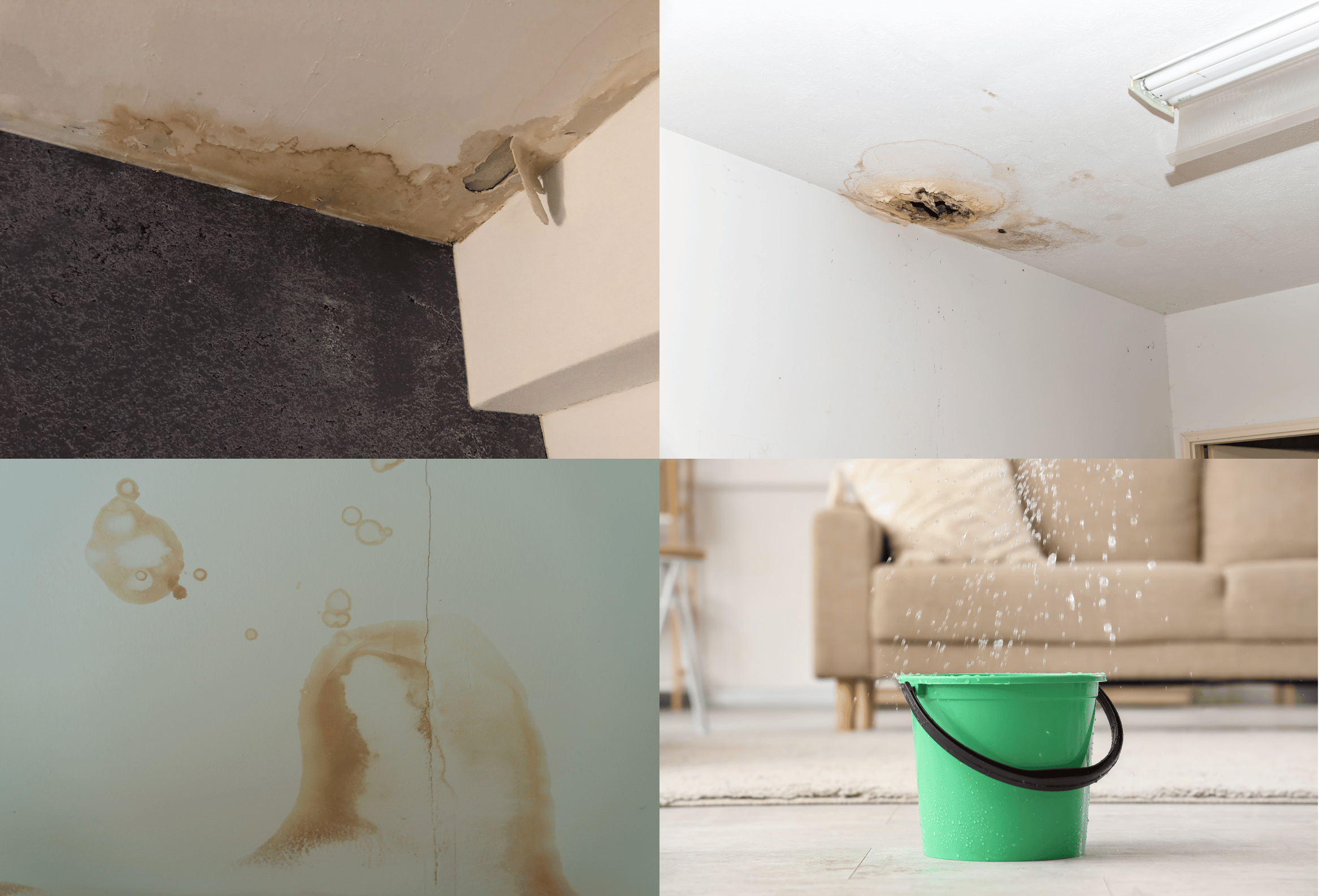
1. Find Where the Leak Is Coming From
Before applying any repair, identify the source of the leak.
Keep in mind that water doesn't always drip directly below the damaged area. Rainwater can travel along roof framing before it becomes visible inside your home.

Look for common signs such as:
Water stains on the ceiling
Damp walls
Missing or lifted roofing sheets
Loose ridge caps or flashings
Cracked sealants around roof penetrations
Clogged roof gutters causing water backup
The earlier you identify the problem, the easier and less costly it is to fix.
2. Stop the Water from Causing More Damage

If water is already entering your home:
- Place buckets or containers underneath active leaks.
- Move appliances, furniture, and valuables away from the affected area.
- Dry wet surfaces as soon as possible to reduce the risk of mold and mildew.
These simple steps won't stop the leak, but they can help prevent additional damage while you prepare for repairs.
3. Apply a Temporary Roof Repair
If the weather is safe enough to inspect your roof, temporary repairs can help prevent further water intrusion until permanent work can be completed.
For small gaps, overlaps, flashing joints, or minor cracks, ONDUBAND Self-Adhesive Flashing Tape provides a quick and convenient sealing solution. Its waterproof bitumen adhesive bonds to many common roofing materials and helps seal vulnerable areas exposed to rain.
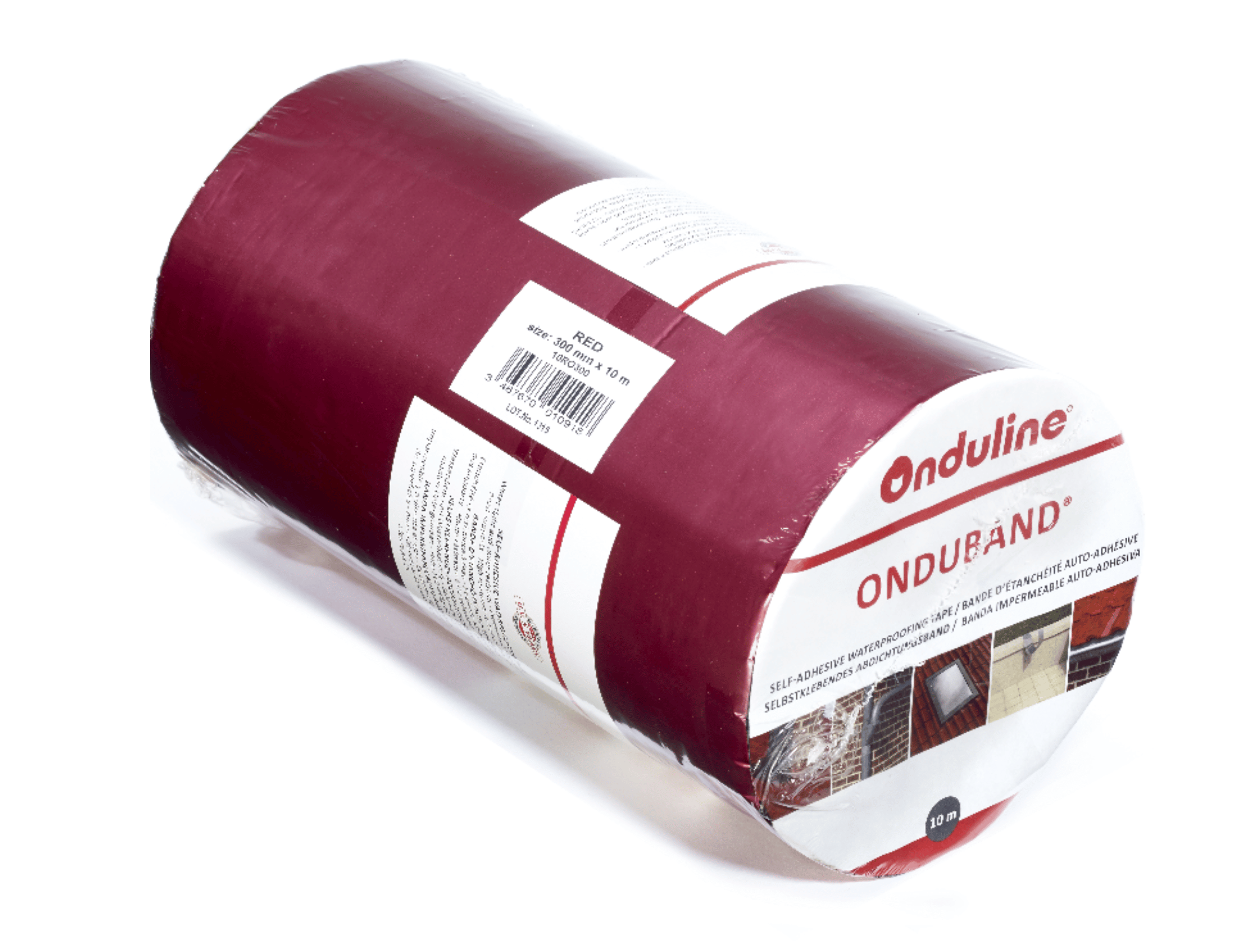
ONDUBAND is commonly used for:
- Roof flashing repairs
- Small roof leaks
- Ridge joints
- Gutter connections
- Roof-to-wall intersections
Keep in mind that temporary repairs are intended to reduce immediate water entry—they should not replace proper roofing installation or professional roof repairs.
4. Check for Loose Fasteners and Roofing Components
Heavy rain is often accompanied by strong winds, which may loosen fasteners or lift sections of the roof.
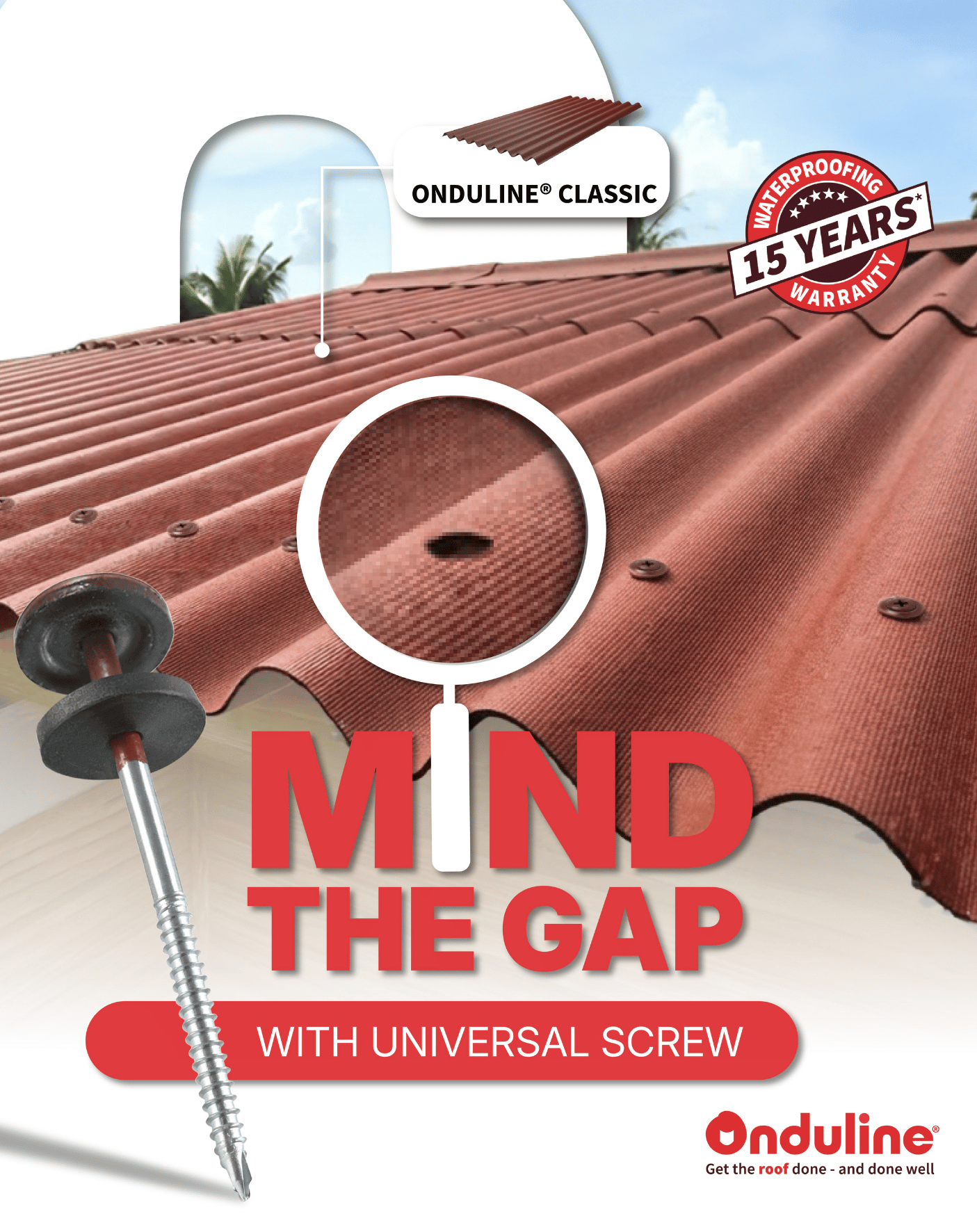
Inspect for:
- Loose roofing sheets
- Lifted ridge caps
- Damaged flashings
- Missing fasteners
- Misaligned roofing panels
Ignoring these issues can allow water to enter during the next rainfall.
5. Schedule a Permanent Roof Inspection
Even if the leak appears to stop, it's important to have your roof inspected after the rainy weather.
Small roofing problems rarely fix themselves. In many cases, what appears to be a minor leak is actually a symptom of improper installation, aging roofing materials, or damaged roof accessories.
A professional inspection helps identify the root cause before it develops into a more expensive repair.
The Best Roof Repair Is the One You Never Have to Make
Many roof leaks are not caused by the roofing sheet itself—they happen because of incomplete roofing systems or improper installation.
A roof performs best when every component works together, including the roofing sheets, ridge caps, flashings, fasteners, ventilation, and accessories. Missing or incorrectly installed components create weak points where water can eventually enter.
That's why investing in a complete roofing system from the start helps reduce the risk of future leaks and costly repairs.
Whether you're building a new home or replacing an old roof, proper installation using genuine roofing accessories ensures your roof is designed to perform as intended for years to come.
Protect Your Roof Before the Next Rainstorm
The rainy season is one of the best times to inspect your roof—not after a leak becomes an emergency.
If you notice early signs of roof damage, address them immediately using the appropriate repair solution. For minor sealing applications, ONDUBAND offers a fast and reliable temporary repair. For long-term performance, choosing a complete Onduline roofing system and ensuring proper installation by trained installers can help keep your home protected through every season.
A well-installed roof doesn't just keep the rain out—it gives homeowners confidence that their home is ready for whatever the weather brings.